Role
Role
Product Designer
Lead UI Design, Lead UX Design, Research, Rapid Prototyping, User Flows, Logo Design
Product Designer
Lead UI Design, Lead UX Design, Research, Rapid Prototyping, User Flows, Logo Design
User →
User →
On-site visitors ordering drinks
On-site visitors ordering drinks
Platform →
Platform →
IOS
IOS
Timeline →
Timeline →
4-6 weeks
4-6 weeks
Status →
Status →
Completed
Completed
Overview
Overview
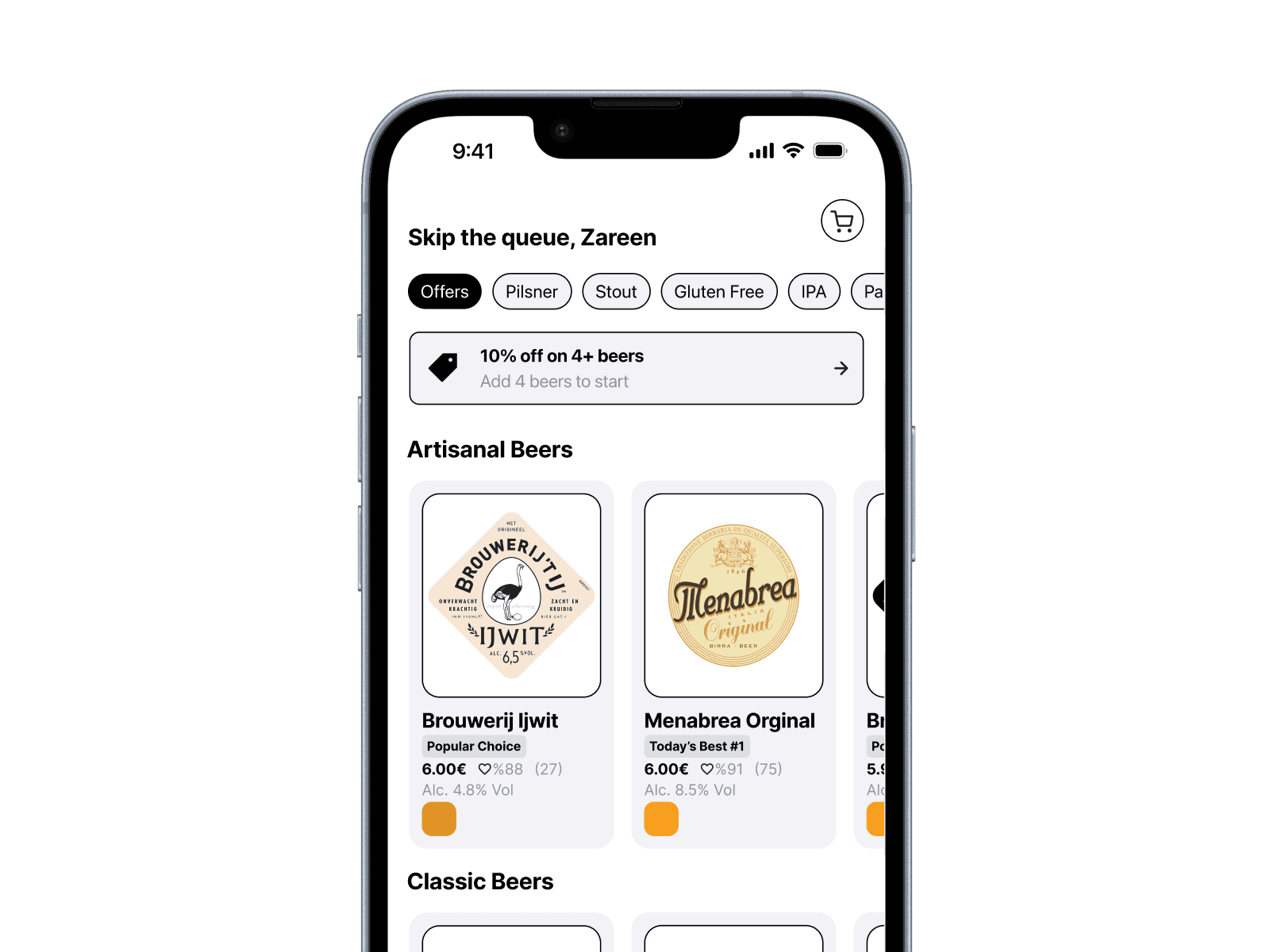
Mobile ordering app for a local beer garden / events and organizations to reduce queue congestion and ordering errors during peak hours.
Mobile ordering app for a local beer garden, events and organizations to reduce queue congestion and ordering errors during peak hours.
Highlights
Research Insights
The Problem
The Problem
'During peak hours, customers faced long queues, order confusion, and difficulty modifying items at checkout. Staff were overwhelmed, mistakes increased, and customers hesitated to complete orders when changes were needed'
'During peak hours, customers faced long queues, order confusion, and difficulty modifying items at checkout. Staff were overwhelmed, mistakes increased, and customers hesitated to complete orders when changes were needed'
Challenge Statement
How might we reduce queue congestion in large beer gardens by enabling fast, seamless drink ordering without disrupting bar/event operations?
Challenge Statement
Designing for high-energy environments requires system-level thinking. Reducing pyschological friction at the interaction level directly impacts operational efficiency at the service level.
1.order confusion & editing
2.customers are facing long queues
3.staff were overwhelmed receiving physical orders
4.customers hesitated to complete orders when changes needed
Challenge Statement
Designing for high-energy environments requires system-level thinking. Reducing pyschological friction at the interaction level directly impacts operational efficiency at the service level.
Research Insights
Research Insights
Key Insight #1
Key Insight #1
Long queue can be;
moderate crowds might see 5–15 min waits; very busy events can exceed 20–30 min.
Long queue can be;
moderate crowds might see 5–15 min waits; very busy events can exceed 20–30 min.
Key Insight #2
Key Insight #2
Putting on high stress on bartenders & stand workers during packed sessions.
Putting on high stress on bartenders & stand workers during packed sessions.
Key Insight #3
Key Insight #3
Physical payments cash & card POS payments.
Physical payments cash & card POS payments.
Key Insight #4
Key Insight #4
73% prefer mobile ordering over “standing in a 30-minute queue”
73% prefer mobile ordering over “standing in a 30-minute queue”
Research Insights
Key Insight #1
Long queue can be;
moderate crowds might see 5–15 min waits; very busy events can exceed 20–30 min.
Key Insight #2
Putting on high stress on bartenders & stand workers during packed sessions.
Key Insight #3
Physical payments cash & card POS payments.
Key Insight #4
73% prefer mobile ordering over “standing in a 30-minute queue”
Design Decisions
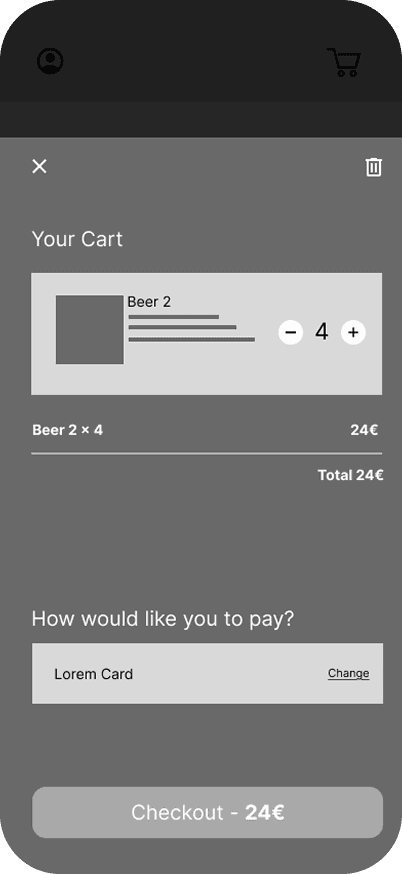
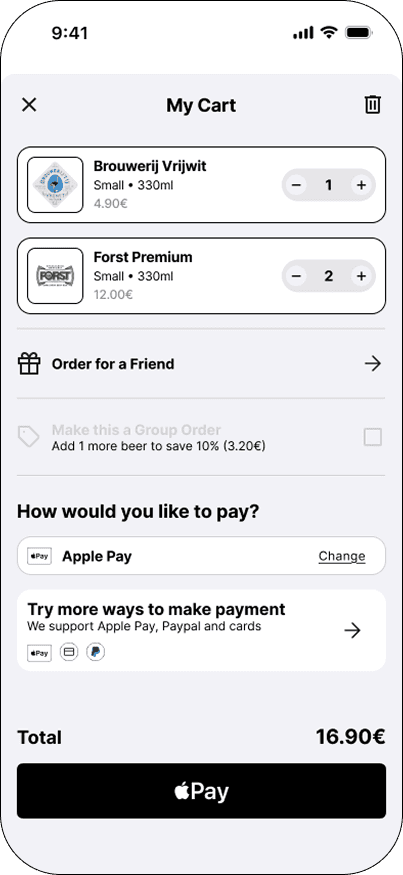
Editable cart
Problem: Last-minute item removal caused hesitation at checkout
Decision: Persistent, editable cart with clear quantity controls
Why: Reduces fear of commitment and increases checkout confidence
low-fi
high-fi
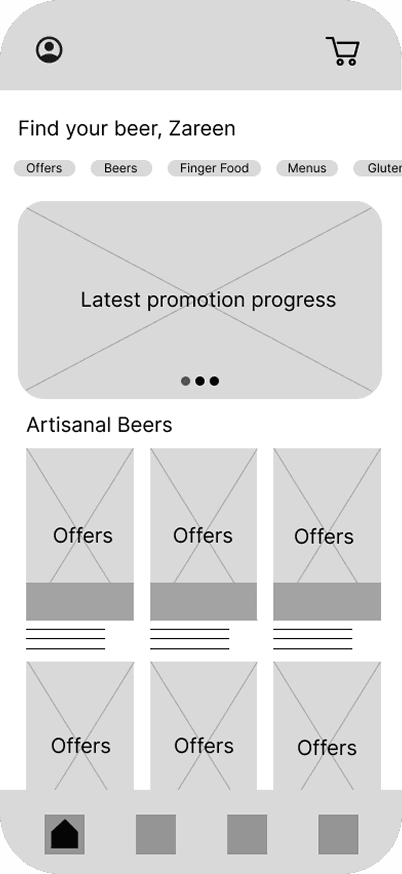
low-fi
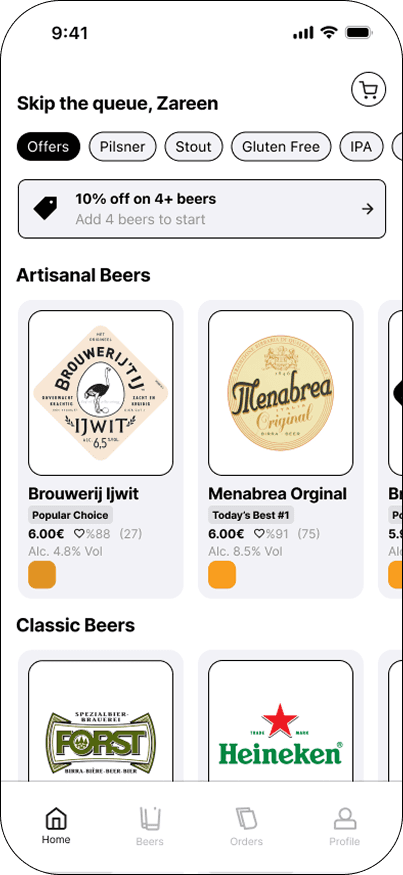
high-fi
Categorized Menu
Problem: Menu scanning was slow in crowded environments.
Decision: Category-first navigation with visual grouping.
Why: Supports fast recognition instead of reading-heavy scanning.
Confirmation
Feedback
Problem: Users were unsure if their order was successfully placed.
Decision: Clear confirmation state with status feedback.
Why: Reduces uncertainty and staff interruption.
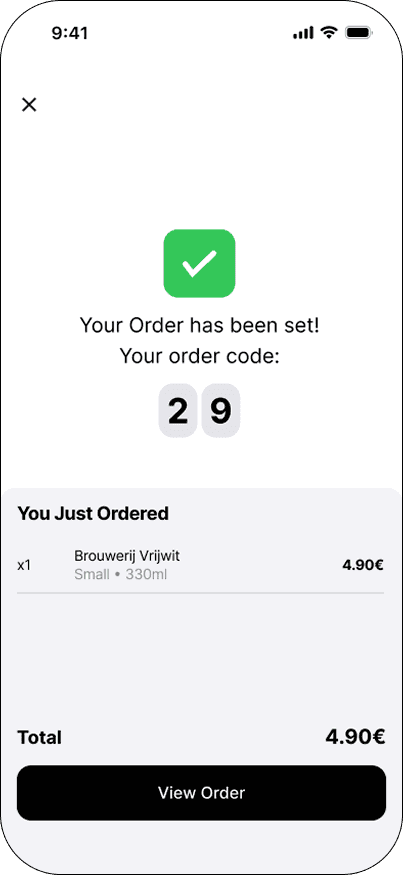
high-fi
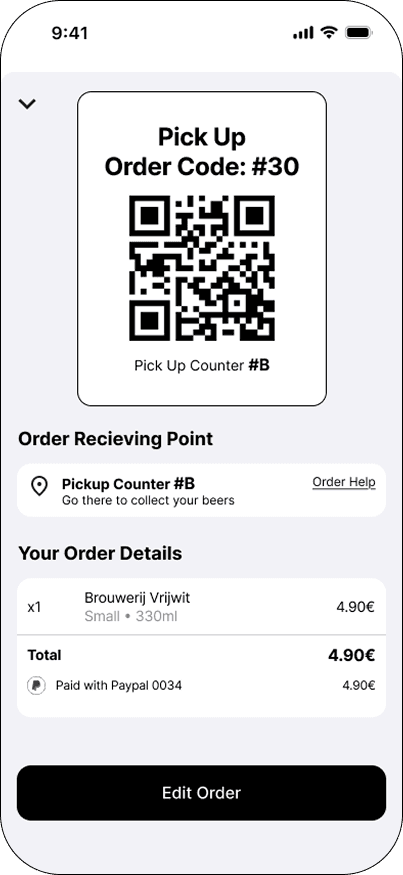
high-fi
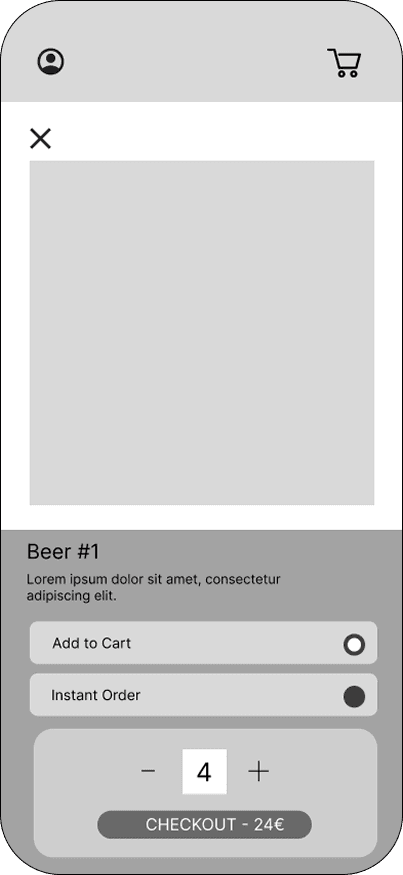
low-fi
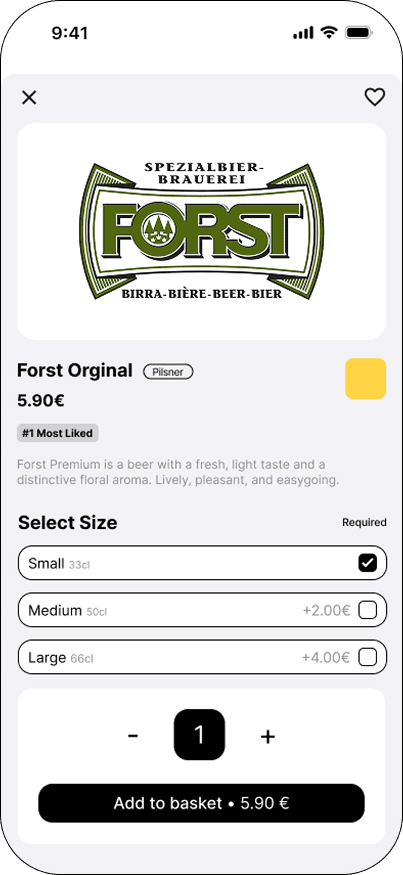
high-fi
Controlled Quantity Interaction
Problem: Accidental negative or invalid quantities.
Decision: Controlled stepper with minimum limits.
Why: Prevents correction effort and input errors.
Problem: Menu scanning was slow in crowded environments.
Decision: Category first navigation with visual grouping.
Why: Supports fast recognition instead of reading-heavy scanning.
low-fi
high-fi
Categorized Menu
Problem: Accidentel negative or invalid quantities.
Decision: Controlled stepper with minimum limits.
Why: Prevents correction effort and input errors.
low-fi
high-fi
Controlled Quantity Interaction
Problem: Users were unsure if their order was successfully placed
Decision: Clear confirmation state with status feedback
Why: Reduces uncertainty and staff interruption
high-fi
high-fi
Confirmation Feedback
Problem: Last-minute item removal caused hesitation at checkout
Decision: Persistent, editable cart with clear quantity controls
Why: Reduces fear of commitment and increases checkout confidence
low-fi
high-fi
editable cart
Design Decisions
Design Decisions
Final Solution
Final Solution
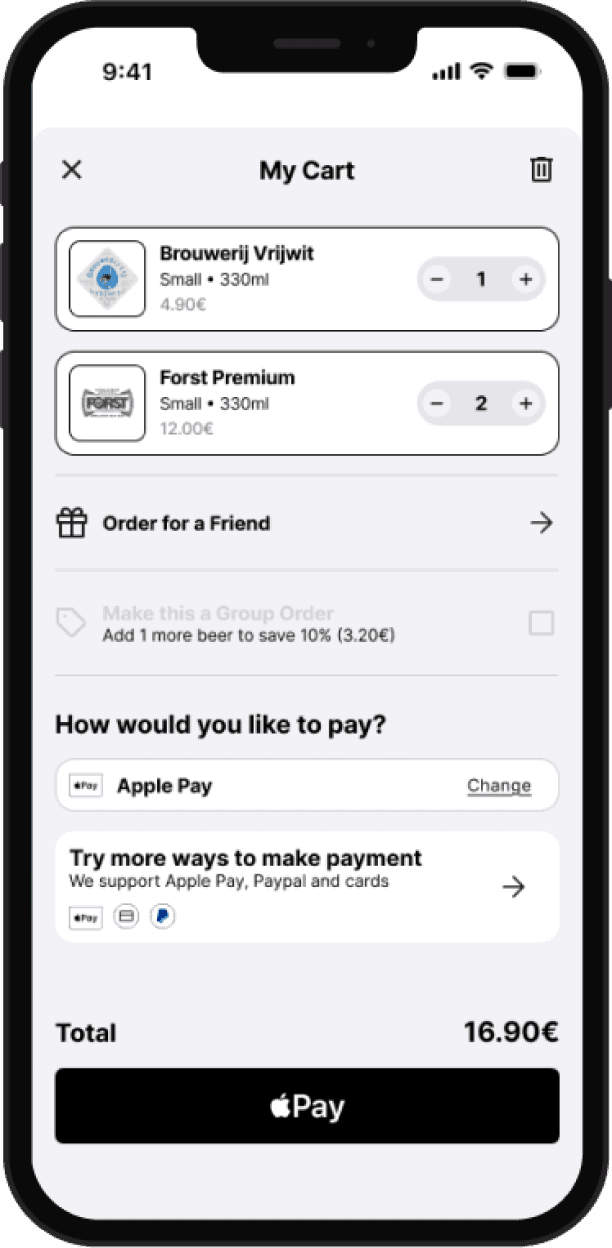
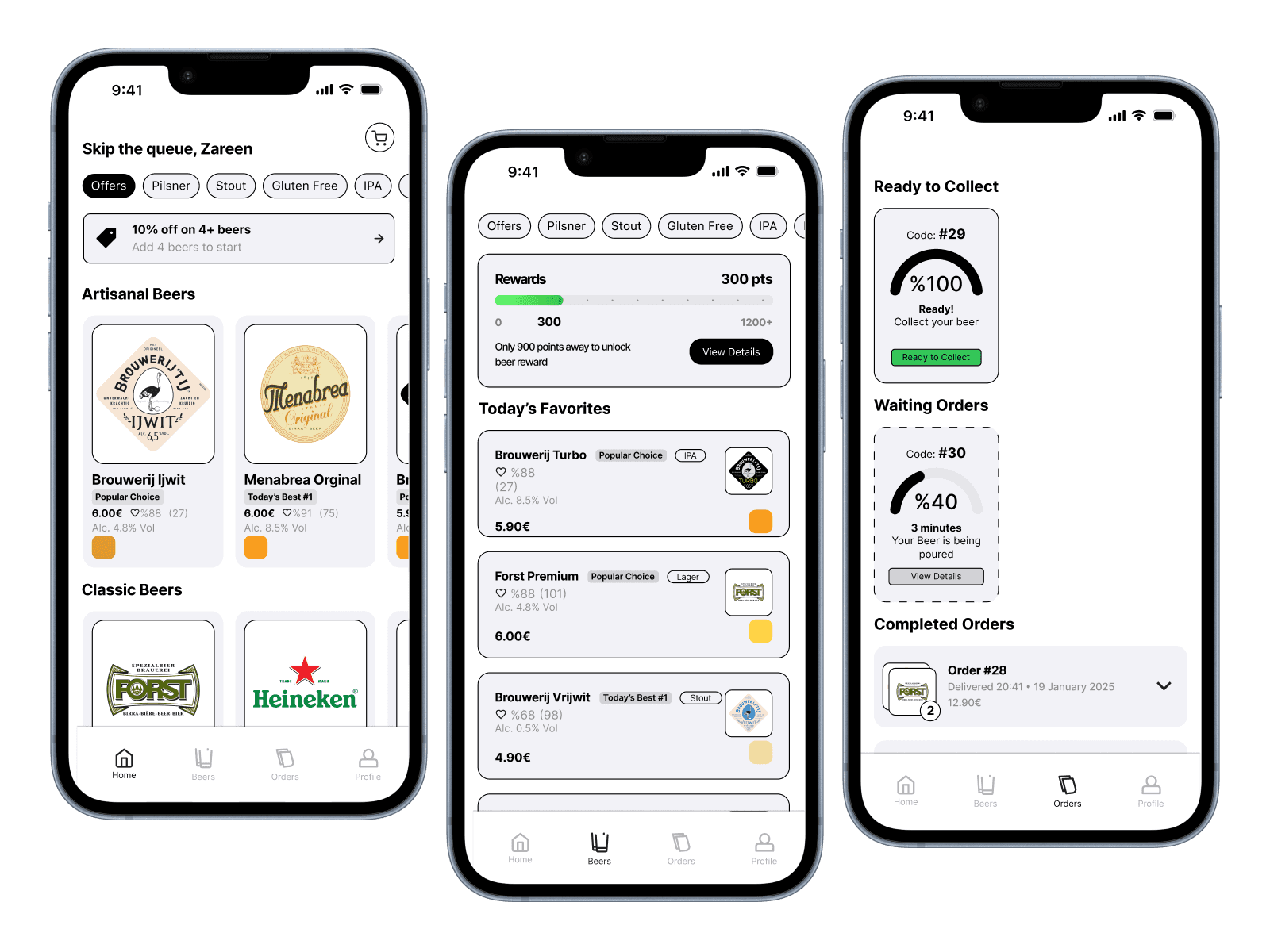
Easy removal without leaving checkout
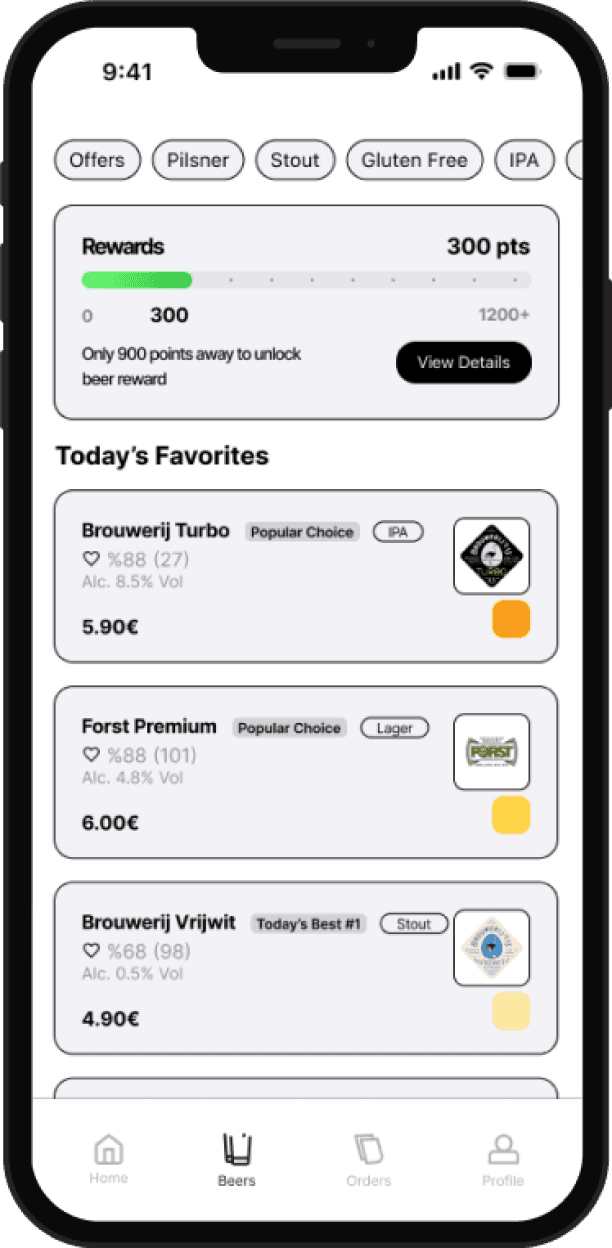
Category-based navigation designed for rapid scanning
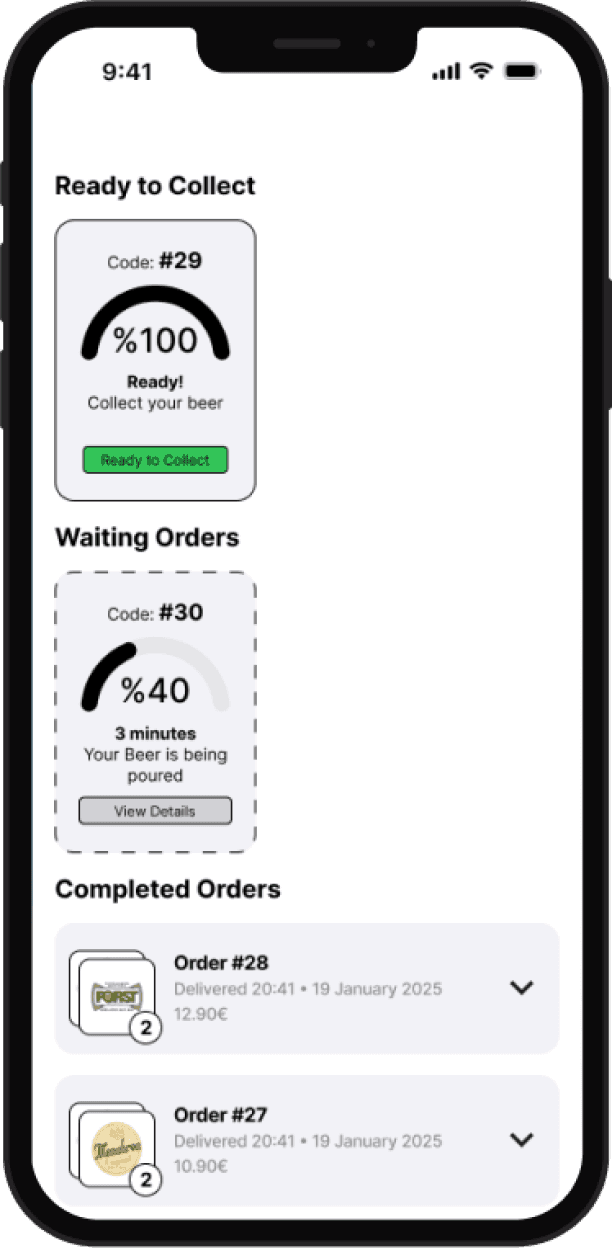
Live clear pickup communication to reduce confusion
Category-based navigation designed for rapid scanning
Category-based navigation designed for rapid scanning
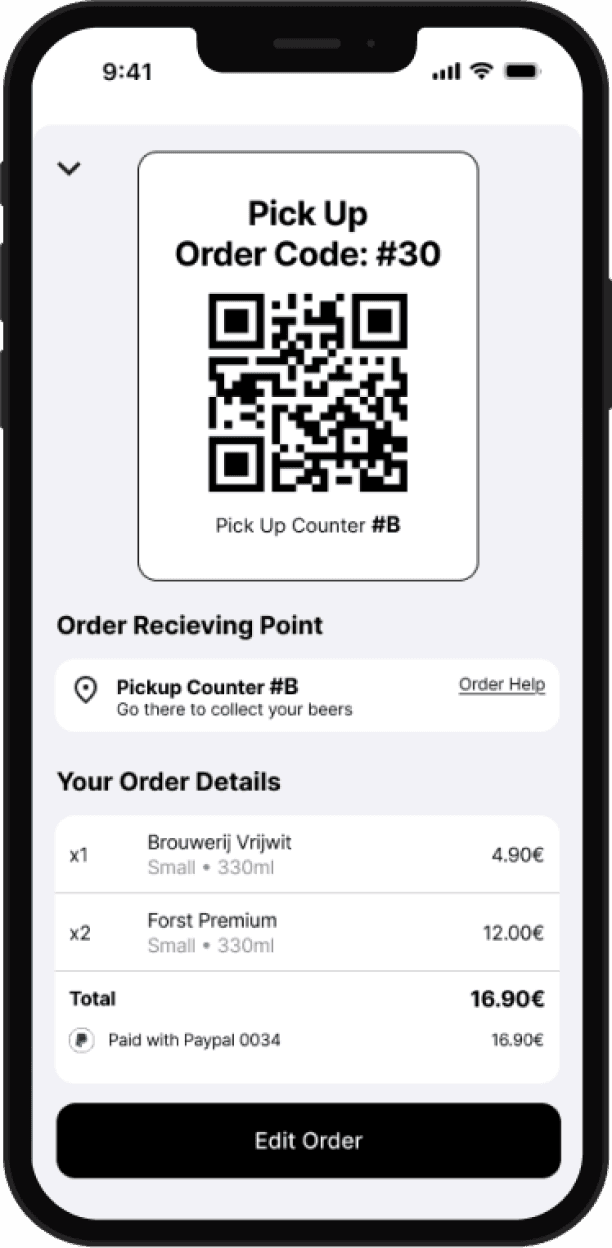
Order collection zone information for users
Live clear pickup communication to reduce confusion
Order collection zone information for users
Complete Flow
Complete Flow
Category-based navigation designed for rapid scanning
Category-based navigation designed for rapid scanning
Validation
Usability testing showed that participants were able to complete a structured ordering task in approximately 1.5 minutes, measured through time-on-task and completion rate KPIs.
Compared to the average 15–20 minute physical queue during peak hours, the digital flow significantly reduced ordering friction and decision hesitation.
Inline cart editing improved user confidence, resulting in smoother task completion without abandonment.
Limitations
● The prototype was not tested in real peak-hour crowd density, where noise and environmental stress may affect cognitive load.
● The worker-side operational flow (order receiving, preparation, pickup coordination) was not validated.
● The broader service ecosystem — from order placement to drink collection — requires end-to-end testing.
Forward-Thinking Iteration
● Design and test a staff-facing interface to evaluate order intake and preparation workflow.
● Measure actual peak-hour throughput improvements compared to physical queue benchmarks.
● Conduct in-environment usability testing to assess cognitive load under real event conditions.
Key Learning
🧠 System-level thinking — approached design by considering the full operational ecosystem, not just individual screens
⚡ High-energy context — accounted for the pressures and pace of real-world, fast-moving environments
🤝 Psychological friction — identified and reduced mental load at every interaction point
📈 Operational efficiency — linked UX decisions directly to measurable impact at the service level
Outcome / Reflection
Validation
Usability testing showed that participants were able to complete a structured ordering task in approximately 1.5 minutes, measured through time-on-task and completion rate KPIs.
Compared to the average 15–20 minute physical queue during peak hours, the digital flow significantly reduced ordering friction and decision hesitation.
Inline cart editing improved user confidence, resulting in smoother task completion without abandonment.
Limitations
● The prototype was not tested in real peak-hour crowd density, where noise and environmental stress may affect cognitive load.
● The worker-side operational flow (order receiving, preparation, pickup coordination) was not validated.
● The broader service ecosystem — from order placement to drink collection — requires end-to-end testing.
Forward-Thinking Iteration
● Design and test a staff-facing interface to evaluate order intake and preparation workflow.
● Measure actual peak-hour throughput improvements compared to physical queue benchmarks.
● Conduct in-environment usability testing to assess cognitive load under real event conditions.
Key Learning
🧠 System-level thinking — approached design by considering the full operational ecosystem, not just individual screens
⚡ High-energy context — accounted for the pressures and pace of real-world, fast-moving environments
🤝 Psychological friction — identified and reduced mental load at every interaction point
📈 Operational efficiency — linked UX decisions directly to measurable impact at the service level
Easy removal without leaving checkout
Easy removal without leaving checkout